


Blood Thinners and Alcohol: Interactions, Risks, and Side Effects
Just as taking prescription and over-the-counter drugs can affect your blood-thinning medication, so can stopping them. If you discontinue any of them, your doctor may want to check your blood more frequently, the NBCA advises. If a clot forms inside a large, deep vein, typically in the leg — a condition called deep vein thrombosis (DVT) — it could break free and travel to the lungs. There, it can cause a life-threatening blockage known as a pulmonary embolism. And if you have an underlying health condition such as diabetes or kidney disease, ask your doctor whether it’s safe for you to drink at all. Always consult your healthcare provider to ensure the information displayed on this page applies to your personal circumstances.
I’m a Playboy model who’s traveled to nearly every country — I’ll take one of these five sexy destinations any day
Some foods and supplements are believed to have some blood thinning properties. However, they are not regulated by the Food and Drug Administration (FDA), and the concentration of active compounds in supplements is not consistent. Many of the herbs that may interact with blood-thinning medications do so because they, too, have either antiplatelet or anticoagulant properties. The pieces may then travel to other body parts and cause more problems. Your doctor will determine what blood-thinning medication is best for you. They will carefully monitor your dosage and may occasionally run a prothrombin time (PT) test.
What Are the Symptoms of Pain and High Blood Pressure?
Alcohol use should be limited while using Savaysa because it increases the risk of internal bleeding. While some alcohol use may be permissible in certain situations, you should consult with a doctor or pharmacist about your specific situation. Alcohol increases the effects of Pradaxa through an unknown mechanism. This increases your risk of bleeding and makes it advisable to avoid mixing alcohol and Pradaxa.
- Various foods, herbs, and medications can interfere with blood thinners.
- It’s generally safe to take acetaminophen while you’re on a blood thinner, but make sure you follow the directions.
- They may be able to advise you on how often and how much alcohol you can consume safely.
- Another reason for the increase in blood pressure and heart rate is how alcohol affects hormones, specifically the stress hormone known as cortisol.
Anticoagulants
No matter what type of pain occurs, the nervous system uses the same mechanisms to relieve it. Perhaps the most common myth about the benefits of alcohol is the idea that an occasional glass of red wine boosts heart health. Meanwhile, a study published last month showed that deaths related to excessive drinking are rising in the United States, especially among women. Lee is an Ohio-based board-certified physician specializing in cardiovascular diseases and internal medicine.
Other medicines and supplements, including over-the-counter ones, can interfere with these drugs. Tell all of your doctors, including your dentist, that you’re taking a blood thinner. Don’t start any new medicines or supplements without talking to your doctor first. But if you take warfarin, excessive amounts of alcohol can alter how the drug is metabolized and raise your bleeding risk, cautions Cushman.
Guidelines for Alcohol Consumption While Taking Blood Thinners

Any big changes to your food intake – including ramping up the amount of these blood-thinning foods – can alter the effect of your prescription drug so seek medical advice. Even herbal supplements such as St John’s Wort, and herbal teas such as chamomile and green tea can interfere with Warfarin. can you drink beer on blood thinners Yes, you can, but heavy drinking or binge drinking will raise your risk of excessive bleeding. If you drink heavily, there can be a rebound effect in that the bleeding risk increases, even after you’ve stopped drinking. Alcohol intake is the main factor determining how long the effects last.
What foods to avoid while on Eliquis

They work by keeping your blood from sticking together in a clump (clotting). Blood thinners keep a clot where it is and from getting bigger and prevent new clots from forming. They can also allow your body to absorb the clot through the walls of your veins over time. Moderate alcohol use is generally safe while taking most blood thinners. For healthy adults, doctors recommend limiting alcohol intake to a maximum of two drinks a day for males and one drink a day for females.
Drinking too much alcohol
- When you call our team, you will speak to a Recovery Advocate who will answer any questions and perform a pre-assessment to determine your eligibility for treatment.
- For instance, some anticoagulants do this by competing with vitamin K, which your body needs to make proteins called clotting factors.
- People who take blood thinners will notice that a cut or nick takes longer to stop bleeding and that they bruise more easily.
- One drink on occasion is not likely to cause problems, but moderate to heavy drinking with anticoagulant medications is dangerous.
- Blood clots are a natural part of the body’s response to injury mediated by platelets and clotting factors (fibrinogen, thrombin) in the blood.
Researchers have found that low-to-moderate drinking could reduce certain processes that lead to heart disease and inflammation. However, more research is necessary to determine whether alcohol use is directly responsible for these possible heart benefits. Therefore, people should always check with a doctor or pharmacist whether it is safe to drink alcohol with a particular blood thinner. This article explains the safety and effects of drinking alcohol while using blood thinners.
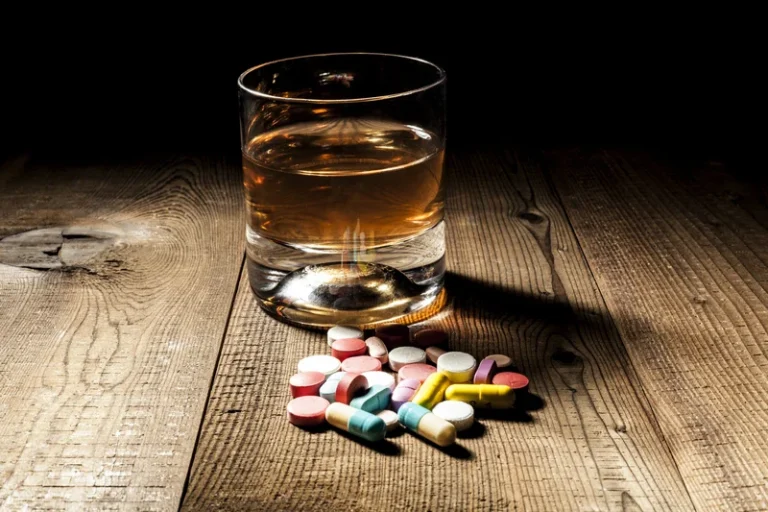
- Because research suggests that alcohol may thin the blood, people need to avoid consuming any before undergoing surgery.
- Alcohol, in low to moderate amounts, thins the blood, potentially reducing the risk of clots.
- It is estimated that at least 1% of the UK population and 8% of people over 80 are taking Warfarin.
- These drugs work by either thinning your blood or raising the time it takes for blood clots to form.
- Of course, healthcare professionals are here to assist and support you along the way.
The actual risks to a particular individual are very case-specific and should be discussed with a doctor. Don’t take over-the-counter medicines, vitamins, or supplements unless you check with your doctor first. For example, aspirin, ibuprofen, and naproxen can make you bleed more.